
Granite vs. Marble vs. Quartz: The Definitive Architectural Guide for Indian Homes
Comparing Mohs Hardness, Porosity, Thermal Tolerance, Turmeric Staining, and Cost
1. Technical Performance Breakdown
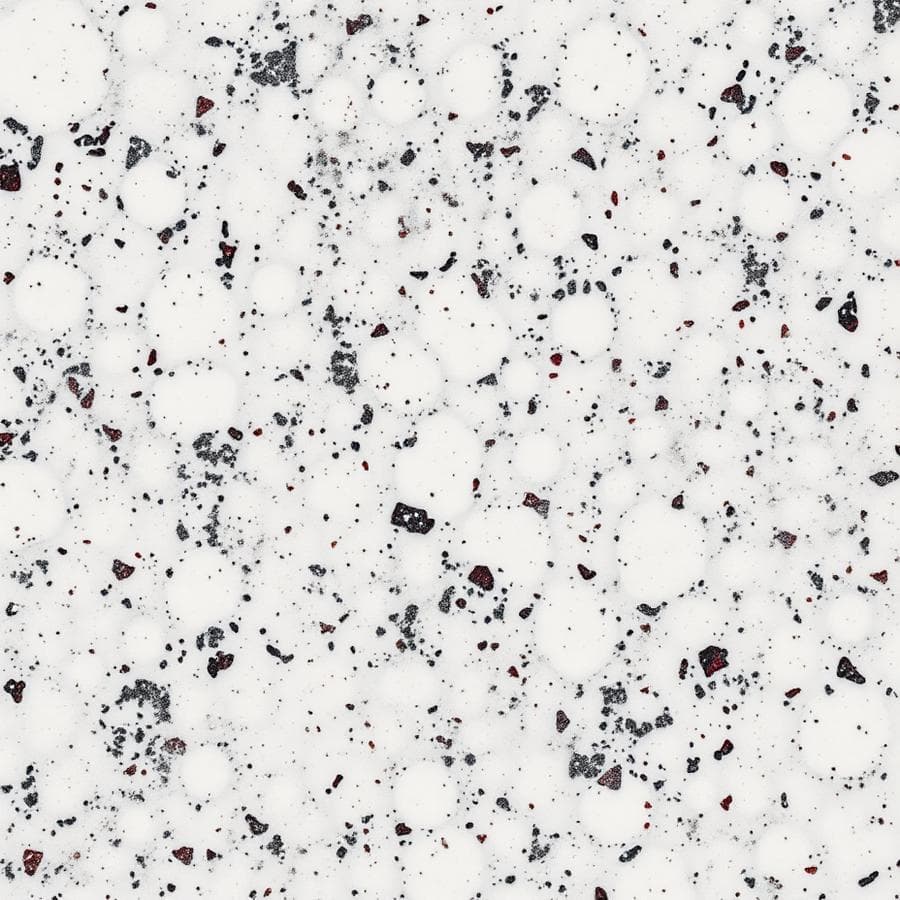
Granite is an igneous rock formed under extreme volcanic pressure, making it nearly impervious to scratches and thermal shock. Marble is a metamorphic limestone prized for its soft, luminous elegance. Quartz is an engineered composite made of 90-93% natural quartz crystals bound with polymer resins.
- Granite: Mohs Hardness 6.5–7.0 | Heat Resistant up to 600°C | Ultra-Low Porosity.
- Marble: Mohs Hardness 3.0–4.0 | Cool footfeel | Requires pH-neutral cleaning.
- Quartz: Mohs Hardness 7.0 | Non-porous | Heat sensitive above 150°C (resins can discolor under hot pans).
2. The Indian Kitchen Test: Turmeric, Lemon & Hot Cookers
For heavy-duty Indian cooking, Natural Granite (such as Absolute Black, Steel Grey, or Alaska White with proper sealing) reigns supreme because you can place hot pans directly from the stove onto the surface without burn marks. Quartz offers flawless color uniformity but requires silicone trivets for hot cookware.
- ✓Granite is the undefeated champion for Indian kitchen countertops due to 600°C heat tolerance.
- ✓Makrana and Indian Marbles are unmatched for luxury living room and bedroom flooring.
- ✓Engineered Quartz is ideal for dry kitchen islands, vanity tops, and modern minimalist backsplashes.
Interested in Sourcing Authentic Rajasthan Stones?
Visit ShivMahima’s 55,000+ sq.ft display yard in Sirsi, Jaipur to physically inspect full gangsaw bundles with certified origin authenticity and wholesale factory rates.
Related Architectural Guides
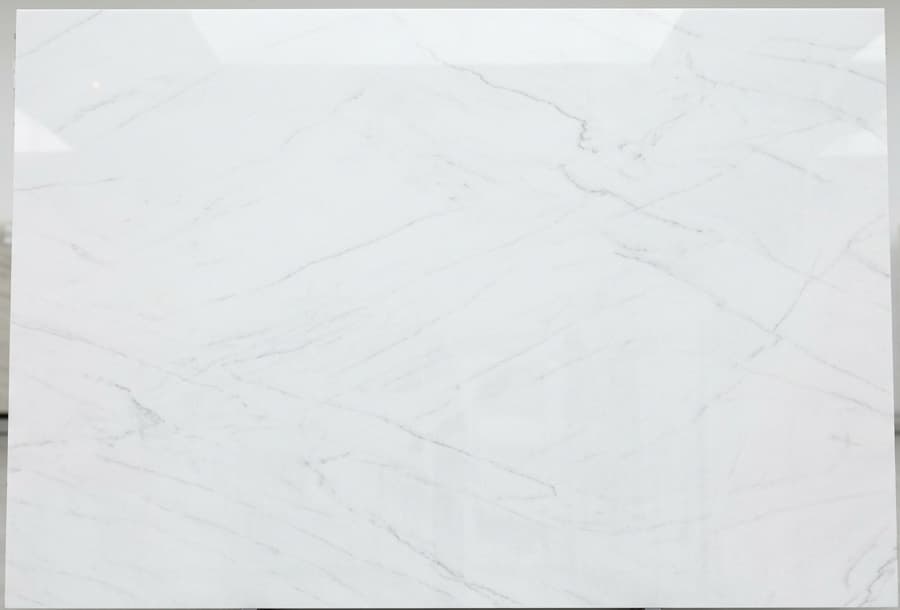
The Timeless Legacy of Makrana Marble: The Sacred Stone of the Taj Mahal & Royal Palaces

Rajasthan: The Natural Stone Capital of India & The Kishangarh Global Trade Corridor